RV Solar
Mobile off-grid energy
Build an RV energy system around how you actually travel.
RV solar works best as a coordinated system of generation, storage, charging and realistic daily loads.
Roof space, parking shade, travel seasons and appliance use can change the result substantially. A practical plan should start with the vehicle and the expected camping pattern.
Travel-ready system planning
Design priorities
More than adding panels to the roof.
The right setup balances daily energy, installation constraints and the flexibility needed away from hookups.
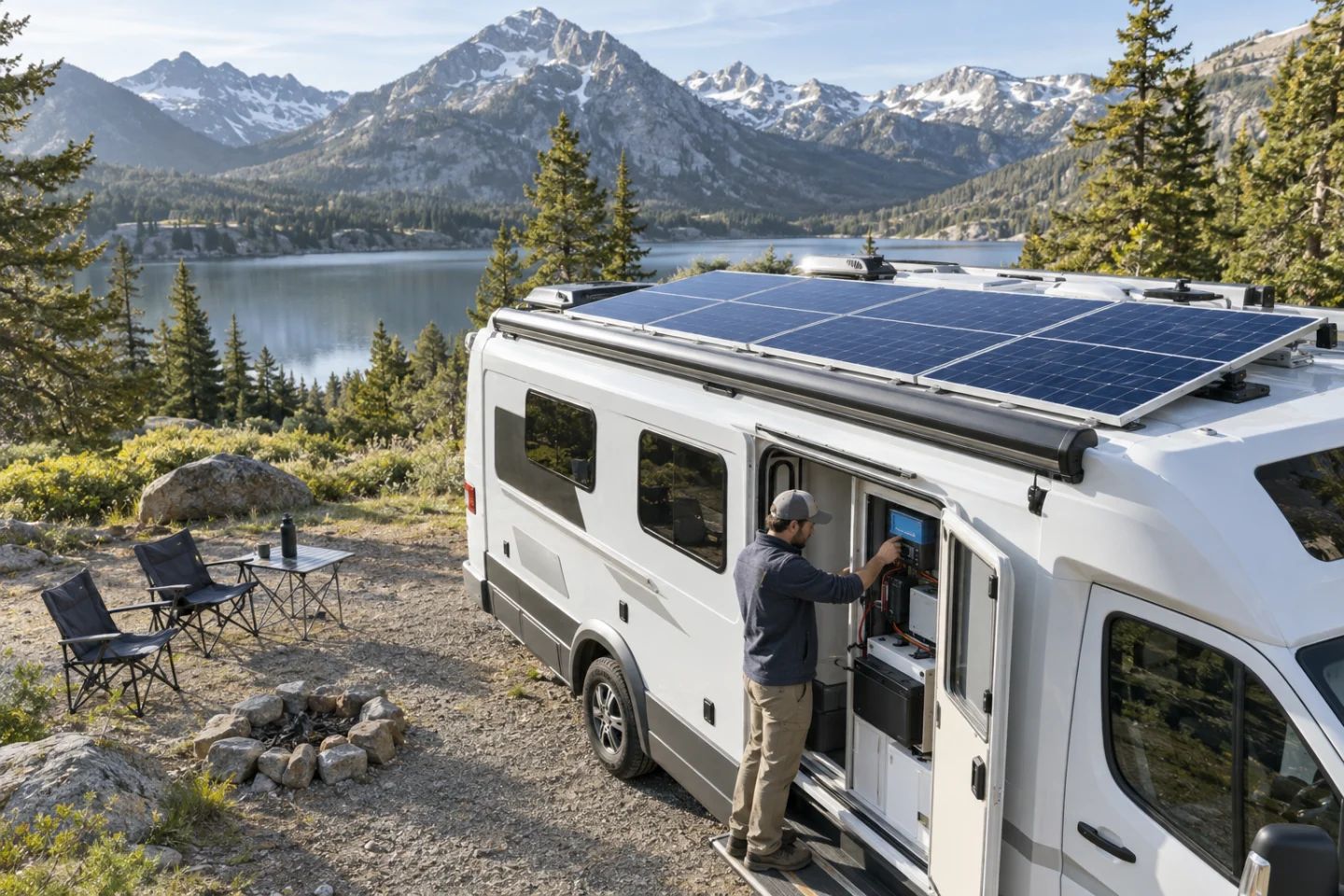
Roof-aware generation
Plan around vents, air conditioners, rack systems, shading and safe service access.
Load-matched storage
Size usable battery capacity around refrigeration, lighting, devices and inverter loads.
Travel-ready architecture
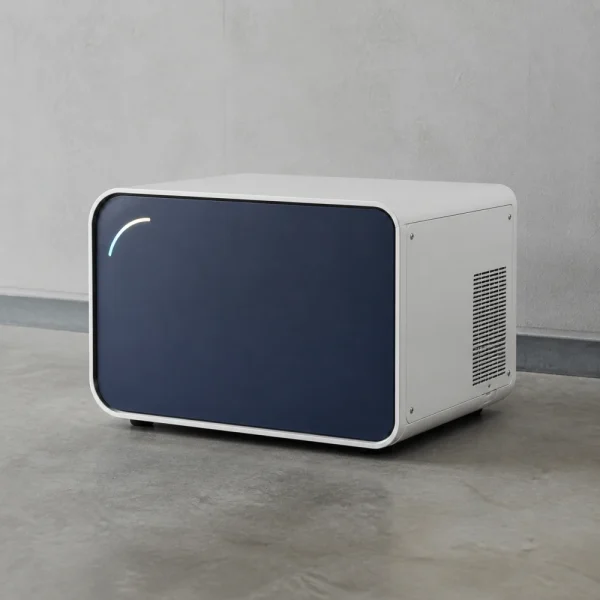
Coordinate alternator, shore and solar charging with protection and monitoring.
Application pathway
From travel habits to an installable system.
A transparent energy budget helps avoid both undersized systems and unnecessary equipment.
- 01
List daily loads, peak wattage and desired off-grid duration.
- 02
Measure usable roof area and identify all shading obstacles.
- 03
Estimate seasonal solar yield for typical travel regions.
- 04
Select generation, storage, inverter and charging architecture.
- 05
Confirm mounting, cable routing, protection and commissioning.
Project readiness
Start with loads, roof space and travel style.
A few practical details are enough to turn a general product list into a useful starting configuration.
Plan an RV solar system →- RV type, roof dimensions and existing equipment.
- Daily energy use and highest-power appliances.
- Expected off-grid duration and travel seasons.
- Existing battery, inverter and charging equipment.
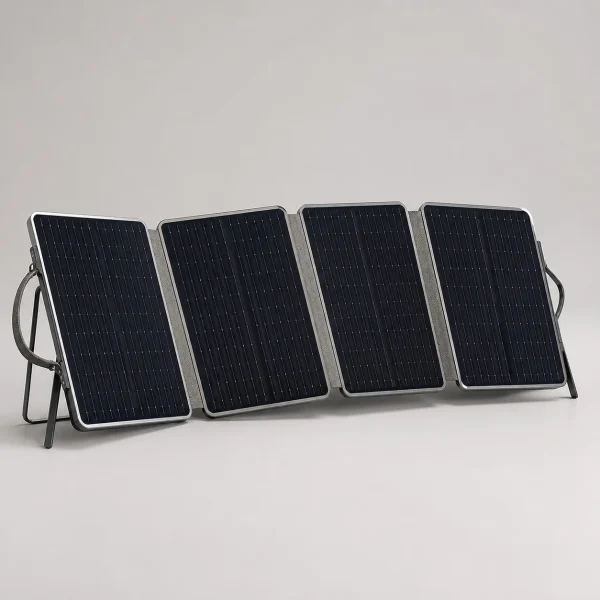
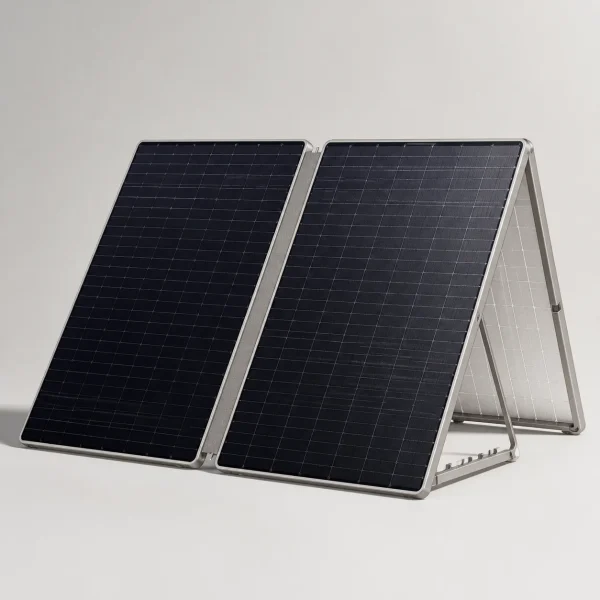
- Fixed rooftop, portable or hybrid solar preference.